01
Services & operations
My responsibility spans communication and mobile services, their ongoing development and the operational work that keeps them dependable.
 Jörg GrotehusmannConnect
 I’m Jörg Grotehusmann. At RWE, I lead a Unified Communication team and help develop enterprise IT services — bringing technical depth to decisions about people, operations and change.
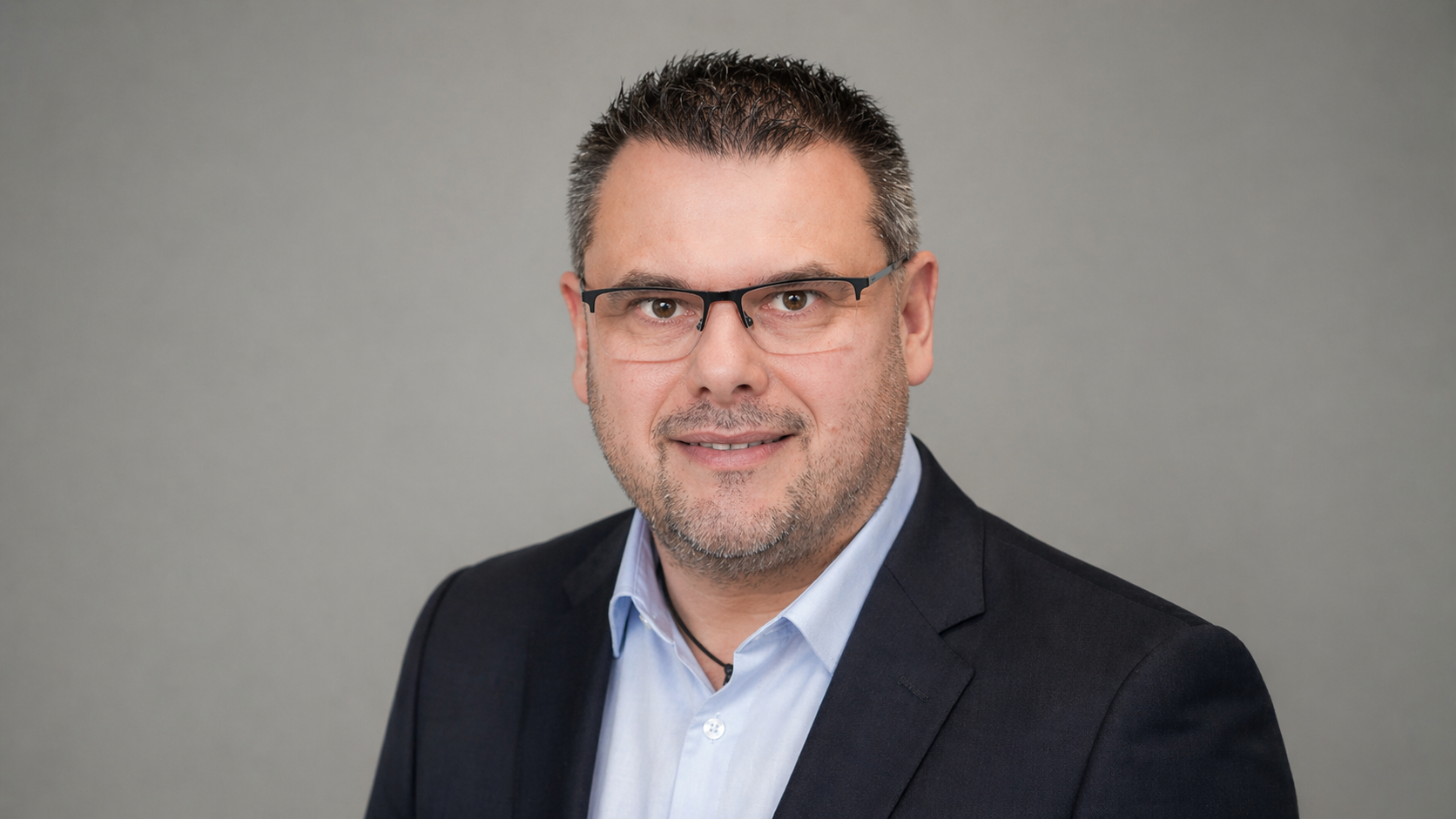
Much of my career at RWE has been spent where technology, people and business operations meet. I started with hands-on work in enterprise infrastructure and collaboration. Over time, the questions became broader: who owns the service, how does the team support it, and what needs to change?
Today, my work combines team leadership, service ownership and technical direction. I still want to understand how a system works. But the decision also has to make sense for the people operating it, the organisation relying on it and the providers helping to deliver it.
The engineering background helps me ask the right questions. Taking ownership means staying with the answers beyond implementation.

Working across countries means
understanding different operational realities.
My role connects the service itself, its direction and the people responsible for delivering it.
My responsibility spans communication and mobile services, their ongoing development and the operational work that keeps them dependable.
I connect technical direction with service needs — working through platform choices, international rollouts and changes in how services are delivered.
Team leadership means staying close to the people doing the work, aligning stakeholders and making responsibilities clear across internal teams and providers.
Four areas of my work at RWE — and the responsibilities and decisions behind them.
Established telephony and collaboration platforms remain part of everyday work while Microsoft Teams changes how people communicate.
I help shape that transition at RWE, connecting architecture and service responsibility with user requirements, providers and international delivery. The work is as much about the sequence of change and operational readiness as the target platform.
My focus is gradual modernisation: a service that can evolve while remaining dependable for the people using it.
Microsoft Teams · Cisco Collaboration · Enterprise Voice · SBC / PSTN
I supported infrastructure outsourcing and, years later, the technical work of bringing services back in-house.
During the later insourcing phase, my responsibility grew into team leadership and service development. Rebuilding technical capabilities, clarifying ownership and stabilising UC services were central to that work.
Experiencing both directions shaped my approach to sourcing: a delivery model needs people who understand the service and can take responsibility for it over time.
IT infrastructure · Service transition · Provider management
Video collaboration has moved through several technology generations, from dedicated conferencing systems towards Microsoft Teams meeting environments.
My work has included building and developing the RWE video collaboration service, with standards that allow it to serve more than individual rooms or locations. I approach each technology change as a service lifecycle decision, including support and the experience of the people in the room.
The aim is a consistent, usable service that teams can support and modernise over time.
Video conferencing · Webex · Meeting rooms · Microsoft Teams
Taking ownership of an established enterprise mobile service means understanding the structures and processes that have accumulated around it.
My focus is on transparency: provider responsibilities, reliable service data and clear lifecycle processes. Aligning stakeholders and identifying useful automation are part of making that service more manageable.
For me, modernisation starts with understanding what is already there — so operational improvements have a sound basis.
Mobile services · Lifecycle management · Automation · Governance
Leading the team while connecting service priorities, operational responsibility and longer-term technical direction.
A broader service perspective: balancing platform modernisation, provider delivery and the needs of an international organisation.
Rebuilding technical capabilities during insourcing and developing the UC service foundation, with responsibility for the team and the service beyond the project.
Hands-on engineering developed into technical ownership and project responsibility, including international rollouts. This remains the foundation for how I assess technical choices.
I prefer solutions that teams can operate, users can understand and the organisation can sustain. Technical elegance has to hold up in everyday use.
A modern platform still needs a dependable service around it. I consider support, transition and operational readiness alongside the architecture.
Ownership includes what happens once a project ends: the lifecycle, the provider relationship and the next improvement. Go-live is one step in that responsibility.
Teams, users and providers see different parts of the same service. I bring those perspectives together to decide where a common standard helps and where a business need calls for a different approach.
I value direct conversations, practical questions and a shared understanding of what needs to happen next.
Technical depth lets me engage with the details and understand the constraints people are working with. My role is to help set priorities and make decisions, while staying close enough to hear where support is needed.
A business requirement and a technical constraint often describe the same problem from different sides. I work to make those perspectives understandable to each other, so the next decision has a shared basis.
I look for clarity about who does what, where dependencies sit and how issues get resolved. The relationship has to work in daily operations as well as during a transition.